Floral Elements: A Practical Embroidery Design for Small Business Branding
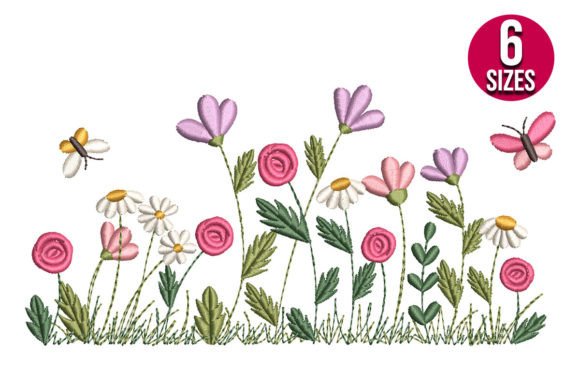
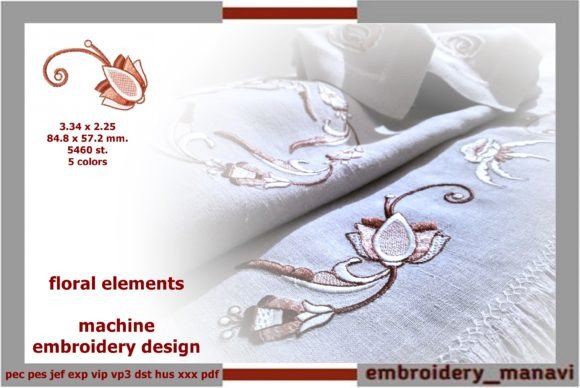
When I first came across the Floral Elements embroidery design, I was immediately drawn to its delicate balance between charm and professionalism. As an embroidery designer who frequently works with small businesses looking to elevate their brand through custom apparel and merchandise, this design stood out as a versatile option. Its name suggests a focus on individual floral motifs, making it ideal for businesses in creative, artisanal, or nature-inspired niches.
Visual Personality and First Impressions
Floral Elements gives off a soft, elegant, and slightly whimsical vibe. It’s not overly bold or rustic, but rather carries a refined, handmade aesthetic that can appeal to boutique owners, florists, and Etsy sellers aiming for a premium, artisanal look. The description mentions it's perfect for towels, pillows, and home decor, which reinforces its decorative yet usable nature. From a branding standpoint, this makes it a strong candidate for embroidered patches, tote bags, and apron designs where visual appeal meets practical function.
Real Business Use Cases
Let’s talk about real-world application. A local café looking to brand their staff aprons could use Floral Elements subtly stitched near the chest or on the sleeve. The same design could work as a branded accent on tote bags handed out to customers. For a florist or boutique, this embroidery design could be used as a logo alternative—stitched onto gift tags, packaging, or even uniform shirts for a cohesive, elegant look.
I’ve also seen small handmade brands use similar floral motifs as embroidered labels on their products. Floral Elements could easily be repurposed for this, especially if the business wants to highlight a natural or organic aesthetic. It’s also suitable for event merch—think embroidered patches on limited-edition aprons or caps for a seasonal pop-up shop.
Performance on Different Merchandise
This machine embroidery design holds up well across a variety of materials. When tested on cotton towels and denim tote bags, the stitch definition remains clean and clear. On darker fabrics, the color contrast becomes crucial—especially if the design includes lighter thread shades. It’s always wise to test thread colors on fabric swatches before full production.
One thing to be mindful of is stitch density. If the design has intricate outlines or dense fill areas, it might not scale well for very small patches. For example, if you're planning to use Floral Elements on cap fronts or tiny sleeve accents, it’s best to test the embroidery file at reduced sizes first. You don’t want details to get lost or become too stiff on curved surfaces like hats.
Before committing to production, here are some key checks every embroidery shop or merch creator should perform:
- Test in black and white: first to assess contrast and clarity.
- Review thread color contrast: against fabric swatches—especially for dark uniforms or textured materials.
- Check spacing and stitch density: to ensure the design doesn’t pucker or distort on finer fabrics.
- Confirm hoop size compatibility: with your embroidery machine—especially if you're digitizing for commercial embroidery runs.
- Use the right stabilizer: to prevent shifting or distortion, particularly on stretchy or soft materials.
- Create a printable mockup: for client approval before stitching the first sample.
- Compare with other design assets: to maintain visual consistency across your brand’s merchandise.
- Verify commercial licensing: for the digital embroidery file before using it for resale or bulk production.
Design Limitations and Caution Zones
While Floral Elements is versatile, it does have some limitations. It may not be the best choice for very small embroidered patches where detail is key. Similarly, if the design includes tiny lettering or intricate outlines, it might not translate well on curved surfaces like cap fronts or sleeves. Also, on textured fabric, the fine details could get lost, so consider simplifying or adjusting the stitch settings accordingly.
Brand Identity and Customer Perception
From a branding perspective, Floral Elements offers a subtle but effective way to enhance brand identity. It conveys professionalism without feeling too corporate, and its handmade presentation adds a personal touch that resonates well with customers of small businesses. Whether it’s stitched onto a tote bag or used as a chest logo on staff uniforms, this embroidery file contributes to visual consistency and helps build brand recognition.
It also adds perceived value to the finished product. A well-executed embroidered detail feels more premium than printed labels, especially for handmade products or custom apparel. For Etsy sellers and craft businesses, this can be a major selling point that differentiates their offerings from mass-produced items.
Final Thoughts for Embroidery Professionals and Merch Creators
If you're an embroidery shop, apparel decorator, or small business owner considering Floral Elements for your next merch run, it’s worth investing time in sample testing. Evaluate how it performs on different fabric types and at various sizes. Pay attention to thread color selection and stabilizer use to ensure consistent results.
As with any embroidery file, it's essential to confirm that it’s properly licensed for commercial embroidery use. Once that’s verified, Floral Elements becomes a valuable asset in your design toolkit—perfect for adding a touch of elegance to small business merch, branded patches, and custom apparel.
In summary, Floral Elements is more than just a decorative embroidery design—it’s a branding tool that brings together craftsmanship, professionalism, and visual appeal. With thoughtful application and attention to detail, it can elevate your business’s merchandise and leave a lasting impression on your customers.