Cute Fairy Girl Embroidery Design Review
First Impressions: Whimsical, Playful, and Boutique-Ready
When I first opened the preview for Cute Fairy Girl, I immediately thought of soft pastels, cozy loungewear, and a touch of storybook charm. The design exudes a lighthearted, feminine energy that feels perfect for boutique collections aiming to stand out with a handmade aesthetic. From the product description, it’s clear this machine embroidery design is meant to add a fun and quirky flair to a variety of items—especially apparel like sweatshirts and hoodies. As a professional embroidery designer, I was curious how it would translate to actual fabric, especially for small shop product branding and Etsy sellers looking for that extra visual pop.
Design Layout and Stitching Personality
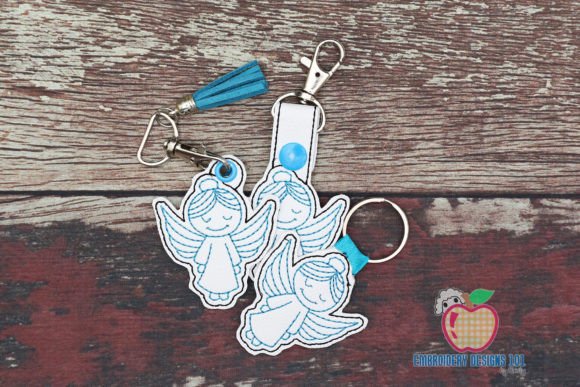
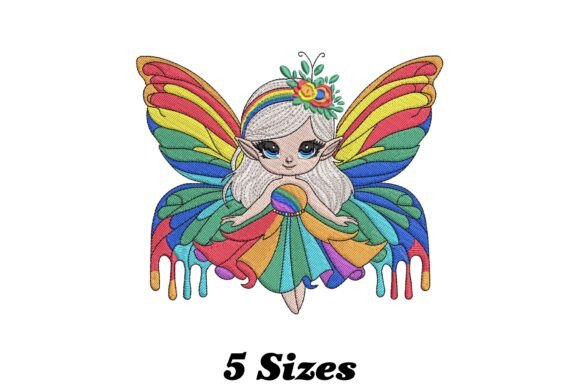
The layout feels balanced and approachable—likely centered around a whimsical fairy character with flowing lines and soft curves. Based on the description, I imagine floral accents, delicate wings, and a slightly cartoonish but elegant style. The stitch density seems intentional for a boutique sweatshirt: not too heavy to overwhelm the fabric, but detailed enough to maintain clarity and charm. This kind of design works beautifully for handmade product lines that want to feel premium without being overly formal.
What stands out most is the personality. It’s not just a generic fairy—it feels like a narrative piece, something that could spark a story in the buyer’s mind. That’s a powerful asset for digital embroidery files aimed at creative entrepreneurs.
How Cute Fairy Girl Works on Sweatshirts and Hoodies
Now, let’s talk placement. For a limited sweatshirt drop, chest embroidery is always a safe bet. A fairy design like this could sit beautifully just above the hemline on a cropped sweatshirt or centered on a classic oversized hoodie. The design’s playful nature makes it ideal for front chest or sleeve accents, especially on neutral tones like ivory, beige, or soft gray. On dark fabric, it would really pop with the right thread color contrast—especially if metallic or pastel threads are used for key elements like wings or floral details.
For seasonal apparel, like cozy autumn hoodies or spring pastel loungewear, this design could be a versatile staple. It’s the kind of embroidery file that adapts well to different color stories and fabric textures, making it a smart addition to a boutique brand’s seasonal collections.
Mockup Previews and Product Photography
One of the first things I do when evaluating an embroidery file is visualize it in a printable mockup. With Cute Fairy Girl, I can already picture lifestyle photos featuring a model lounging with a book, wearing a neutral oversized hoodie with the fairy subtly stitched on the chest. That kind of visual storytelling is gold for Etsy sellers and small clothing brands trying to build emotional connections with buyers.
The design’s charm and clarity also make it excellent for product listings. When buyers see a crisp, well-executed embroidered sweatshirt, they associate that quality with the brand. That’s how visual recognition and buyer trust start to build—especially when the design is consistent across different items like towels, tees, and home decor.
Practical Concerns for Commercial Embroidery
As a designer, I always consider the technical side before sending a file into production. Let’s break it down:
- Thread color contrast: Essential for readability. If the fairy has fine details like hair or wings, high-contrast thread colors will help those elements stand out on both light and dark fabrics.
- Stitch density: Needs to be tight enough to prevent fraying but not so dense that it causes puckering on soft sweatshirt fabric. A medium density would likely be ideal here.
- Fabric thickness: Sweatshirts are heavier than tees, so the design should be scaled appropriately. If the file includes multiple sizes, that’s a major plus for versatility.
- Stabilizer choice: A medium-weight tear-away or cut-away stabilizer would work best to support the stitching without leaving a ridge on the inside of the hoodie.
- Small-size readability: Important for sleeve or tag-style placements. If the design is too intricate at smaller sizes, it might not hold up well after washing.
- Hoop placement: Chest and sleeve placements are the most common for sweatshirts, so the design should be adaptable to those areas without distortion.
- Washing durability: Thread and stitch quality will determine how well the design holds up after multiple washes. Reinforced edges and quality embroidery thread are a must for commercial use.
Since the product description doesn’t specify hoop size or exact stitch count, I’d recommend checking those details before production, especially if you're using a smaller embroidery machine or working with tight placement areas.
Brand Identity and Customer Engagement
What I love most about Cute Fairy Girl is how it supports brand storytelling. For a small boutique brand, having a signature embroidery design adds a handmade touch that feels intentional and curated. It becomes part of the brand’s visual language—especially when used consistently across collections.
From a customer engagement standpoint, embroidered sweatshirts feel more special than printed ones. They carry a sense of craftsmanship that resonates with buyers looking for something unique. Whether you’re selling through Etsy or your own Shopify store, adding a design like this can elevate your product value and perceived quality.
Final Thoughts: A Versatile, Boutique-Worthy Design
Overall, Cute Fairy Girl is a strong contender for small clothing brands and creative entrepreneurs wanting to add a touch of whimsy and elegance to their apparel line. It balances charm with practicality, making it a great fit for sweatshirt embroidery, hoodie designs, and even lifestyle accessories.
As long as the technical aspects of the embroidery file—like stitch count, hoop size, and thread recommendations—are well-documented, this design could become a staple in your digital embroidery library. It’s the kind of piece that not only looks good on fabric but also helps tell your brand’s story, one stitch at a time.